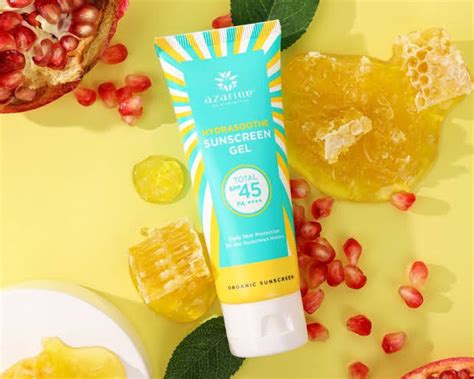
Sunshine is essential for life, yet its ultraviolet rays pose a significant risk to human skin, potentially triggering genetic mutations and skin cancer. Protecting oneself with sunscreen becomes a vital preventive measure. Among the myriad ingredients found in sun protection products—such as zinc oxide, titanium dioxide, and oxybenzone—one standout compound has recently drawn attention: bemotrizinol (BEMT).
Introducing Bemotrizinol: A New Player in Sun Defense
Bemotrizinol is a relatively new sunscreen ingredient that received approval for use in the United States only in June 2026. Prior to this, it had already been employed in European and Korean formulations, reflecting its established safety and efficacy profile. The compound was first developed by Swiss chemists in the 1990s with the goal of creating a superior sunblock. Although bemotrizinol is oil‑soluble, its large molecular size prevents it from penetrating deeply into the skin. This characteristic allows it to form a protective barrier on the skin’s surface, effectively absorbing ultraviolet radiation and converting it into harmless heat.
According to the American Chemical Society (ACS), bemotrizinol can absorb wavelengths ranging from 315 to 400 nanometers (nm) of UVA light and 280 to 315 nm of UVB light. By covering this broad spectrum, bemotrizinol offers comprehensive protection against both the long‑wave UVA and the shorter‑wave UVB, which are responsible for tanning, premature aging, and sunburn, respectively.
Key Advantages That Set Bemotrizinol Apart
There are three primary strengths that make bemotrizinol a leading choice for modern sunscreen formulations:
1. Surface‑Level Protection
Because bemotrizinol’s large molecules remain on the skin’s surface, they create a robust physical shield that does not rely on absorption into the dermis. This reduces the likelihood of systemic exposure and potential side effects, while still providing effective UV absorption.
2. Extended Efficacy
Studies indicate that bemotrizinol can maintain its protective properties for 6 to 8 hours under typical sun exposure conditions. This extended duration translates to fewer reapplications throughout the day, enhancing user convenience and ensuring continuous coverage.
3. Broad Spectrum Coverage
By absorbing both UVA and UVB wavelengths, bemotrizinol protects against the full range of sun‑induced damage. This dual action helps prevent not only sunburn but also the deeper, long‑term effects such as photoaging and carcinogenesis that are driven largely by UVA exposure.
How Bemotrizinol Enhances Skin Health
Because bemotrizinol remains on the surface and does not penetrate deeply, it minimizes the risk of disrupting skin barrier function. This attribute is particularly valuable for individuals with sensitive or compromised skin, as it reduces the potential for irritation or allergic reactions commonly associated with other chemical filters.
The ability of bemotrizinol to absorb a wide range of UV wavelengths also means that it can mitigate the oxidative stress caused by sun exposure. By converting harmful radiation into heat, it prevents the formation of free radicals that can damage collagen and elastin fibers, thereby preserving skin elasticity and reducing wrinkle formation.
Furthermore, the extended protection window offered by bemotrizinol aligns with the recommended practice of reapplying sunscreen every two hours. Users may experience less frequent reapplication, which can improve adherence to sun‑safety guidelines and reduce cumulative UV exposure over time.
Integrating Bemotrizinol into Everyday Sun Care
Because of its stability and broad‑spectrum activity, bemotrizinol is often combined with other active ingredients in sunscreen formulations. When paired with complementary filters, the resulting product can deliver enhanced photostability and a higher sun protection factor (SPF). This synergy is especially beneficial for outdoor activities where prolonged sun exposure is inevitable.
Consumers looking for high‑performance sun protection should check ingredient labels for bemotrizinol, particularly if they seek a product that offers durable UVA coverage and a longer lasting shield. Products containing bemotrizinol can be found in various categories, including lotions, creams, and sprays, providing flexibility for different skin types and usage preferences.
Looking Ahead: The Future of Sun Protection
As research continues to evolve, bemotrizinol stands out as a promising component in the next generation of sunscreens. Its unique combination of surface‑level absorption, extended efficacy, and comprehensive UV coverage positions it as a key ingredient for safeguarding skin health in an era where sun exposure remains a daily reality.
By understanding the science behind bemotrizinol and recognizing its advantages, individuals can make informed choices about their sun protection strategies. Selecting products that incorporate this ingredient can offer reliable defense against harmful UV rays while supporting overall skin integrity.
Disclaimer: This article was automatically rewritten by AI based on the original news source, without altering the facts of the original article.


